Peace education in practice: a conversation with Huso Razić from Stolac, Bosnia and Herzegovina

Peace education in practice: a conversation with Huso Razić from Stolac, Bosnia and Herzegovina
Read more articles
Brusinka meeting 1
WP4 Partner Meeting in Brno Sets the Course for the DANUBE PEACE Curriculum
From research to action- DANUBE PEACE moves forward
From research to action: DANUBE PEACE moves forward
Danube-meeting-Germany_1
Erasmus+ Danube Peace Project Meeting Held in Emmendingen, Germany

What does peace education look like in a community that has experienced conflict and continues to live with its consequences?


As part of the research activities of the DANUBE PEACE project, SPIN/Okret spoke with Huso Razić, a school pedagogue and Deputy Head of the High School in Stolac, Bosnia and Herzegovina. His experience offers an important practitioner perspective on peace education, intercultural dialogue, young people’s participation and the challenges of building stronger social cohesion in a post-conflict society.


About Huso Razić

Huso Razić is a school pedagogue who has served for the past five years as Deputy Head of the High School in Stolac, a town in southern Bosnia and Herzegovina.


Stolac experienced significant ethnic conflict during the 1990s, particularly between Croat and Bosniak communities. Today, the high school continues to operate with two curricula, one in Croatian and one in Bosnian, meaning that students can still be separated along ethnic lines.


Following a period in which the school experienced peer violence and ethnic tensions, extracurricular activities and pedagogical workshops focusing on dialogue, peace, tolerance, human rights, prejudice, identity and stereotypes were introduced. Over the years, students have also participated in peacebuilding programmes and international exchanges.


Today, Huso facilitates workshops, dialogue sessions and inclusive activities involving students regardless of the curriculum they attend, contributing to intercultural understanding and stronger relationships within the school and wider community.


We spoke with him about the challenges that remain, the role of education and culture, and what is needed to strengthen peacebuilding in Bosnia and Herzegovina.


What are some of the most important peace-related challenges facing your community today?

One of the biggest challenges is the continued presence of divisive political narratives, particularly during election periods. Public discussion often returns to ethnic divisions, hate speech and interpretations of the wars of the 1990s instead of focusing on concrete issues affecting people’s everyday lives.


Young people are particularly affected because they grow up surrounded by polarised narratives that can influence how they understand other communities and how they see the future of Bosnia and Herzegovina.


For lasting peace, public dialogue needs to become more balanced and respectful. Remembering the past is important, but this should be based on facts, truth and mutual respect rather than political manipulation.


Young people should also be encouraged to develop critical thinking, conduct their own research and become active participants in society. When young people learn to think independently and engage constructively with their communities, they can become an important force for peace.


What role can culture and cultural heritage play in bringing communities together?

Cultural heritage has significant potential for peacebuilding because it can represent something shared by different communities. It can provide a foundation for dialogue, cooperation and mutual understanding.


At the same time, heritage and historical narratives can also be presented in ways that reinforce divisions. When cultural sites, traditions or parts of history are treated as belonging exclusively to one ethnic group, opportunities to recognise the country’s shared cultural richness can be lost.


Education faces similar challenges, particularly when history is predominantly presented through separate national perspectives.


Bosnia and Herzegovina has an exceptionally rich cultural heritage and diversity. These should be used as resources for connection. Promoting shared heritage, intercultural dialogue, cultural tourism and more inclusive historical narratives can contribute not only to peacebuilding but also to stronger social cohesion and long-term community development.


Where do you see opportunities for greater intergenerational dialogue?

Different generations still interact through families, community events and cultural traditions, but there is also a noticeable gap between younger and older generations because of their different experiences, perspectives and values.


One important opportunity is to involve young people more actively in community decision-making. At the same time, more intergenerational cultural and educational activities could create spaces where younger and older people learn from each other’s experiences.


Such activities can help strengthen mutual understanding, community development and social cohesion.


Which peacebuilding initiatives have made a particularly strong impression on you?

One initiative I consider particularly successful is the Peacebuilding Leadership Program, organised by the Folke Bernadotte Academy together with local partners in Mostar and Sanski Most.


The programme brought together participants from different ethnic backgrounds and created opportunities for dialogue, learning and relationship-building. Activities included pedagogical workshops for teenagers and students, work on trauma and intergenerational trauma, the use of literature to connect communities, and activities addressing hate speech, harmful narratives and misinformation.


Experiences like these demonstrate that meaningful dialogue and direct interaction can reduce prejudice and strengthen trust.


Similar opportunities should be expanded through schools, youth programmes, seminars, training courses and summer camps. Bosnia and Herzegovina already has experienced practitioners and many positive examples that can provide a foundation for further peacebuilding work.


What kind of cooperation could strengthen peace education in Bosnia and Herzegovina and the wider region?

Stronger cooperation is needed between schools, universities, youth organisations, cultural institutions and local communities, both within Bosnia and Herzegovina and across the Western Balkans.


Cross-border exchanges, workshops, summer camps, cultural events and youth projects are particularly valuable because they give people opportunities to meet directly, challenge stereotypes and encounter different perspectives.


Educators and community leaders also need further training in areas such as peacebuilding, intercultural dialogue, conflict transformation, media literacy and trauma-informed approaches. Access to educational resources, financial support and opportunities to exchange practices with colleagues from other communities and countries are equally important.


Especially in an environment where divisive narratives remain present, young people need strong critical-thinking skills and safe spaces where different perspectives can be discussed respectfully.


Can digital tools contribute to peace education?

Digital tools can certainly support peace education, particularly by making information and opportunities easier to find.


For example, an interactive map could help people discover peace education programmes, workshops, youth exchanges, training opportunities, community initiatives and organisations working on reconciliation. It could also provide practical information about upcoming activities and ways to become involved.

However, digital tools have their limits.


Sensitive topics such as trauma, reconciliation, emotions and dealing with the past require meaningful human interaction. Digital platforms can provide information and raise awareness, but they cannot replace trust-building, face-to-face dialogue and safe spaces where people can openly share their experiences.


For this reason, digital resources are particularly valuable for information, networking and outreach, while the deepest impact of peace education still comes through well-facilitated human encounters.


What should future peace education focus on?

For Huso, several themes deserve particular attention: dealing with the past, reconciliation, empathy, intercultural dialogue, critical thinking, trauma awareness, mental health and peaceful conflict resolution.


These topics are not always easy to address, particularly in communities where the consequences of conflict remain present decades later. Yet avoiding them does not make the underlying divisions disappear.


Peace education can contribute to a longer process of healing by helping people understand different experiences, question divisive narratives and develop healthier ways of communicating and resolving disagreements.


From local experience to regional learning

Huso’s experience in Stolac illustrates one of the central ideas behind DANUBE PEACE: peace education becomes meaningful when it is connected to people’s lived experiences and the realities of their communities.


DANUBE PEACE is an Erasmus+ Cooperation Partnership bringing together organisations from Germany, Czechia, Ukraine, Bosnia and Herzegovina and Croatia. The project works to strengthen adult educators, cultural actors and communities through inclusive and intergenerational peace education.

Insights gathered from practitioners and communities across participating countries are helping the partnership develop practical educational resources that respond to real challenges across the Danube region.

Through conversations such as this one, we are not only documenting challenges. We are identifying experiences, practices and perspectives that can help build stronger approaches to dialogue, active citizenship and peace education.
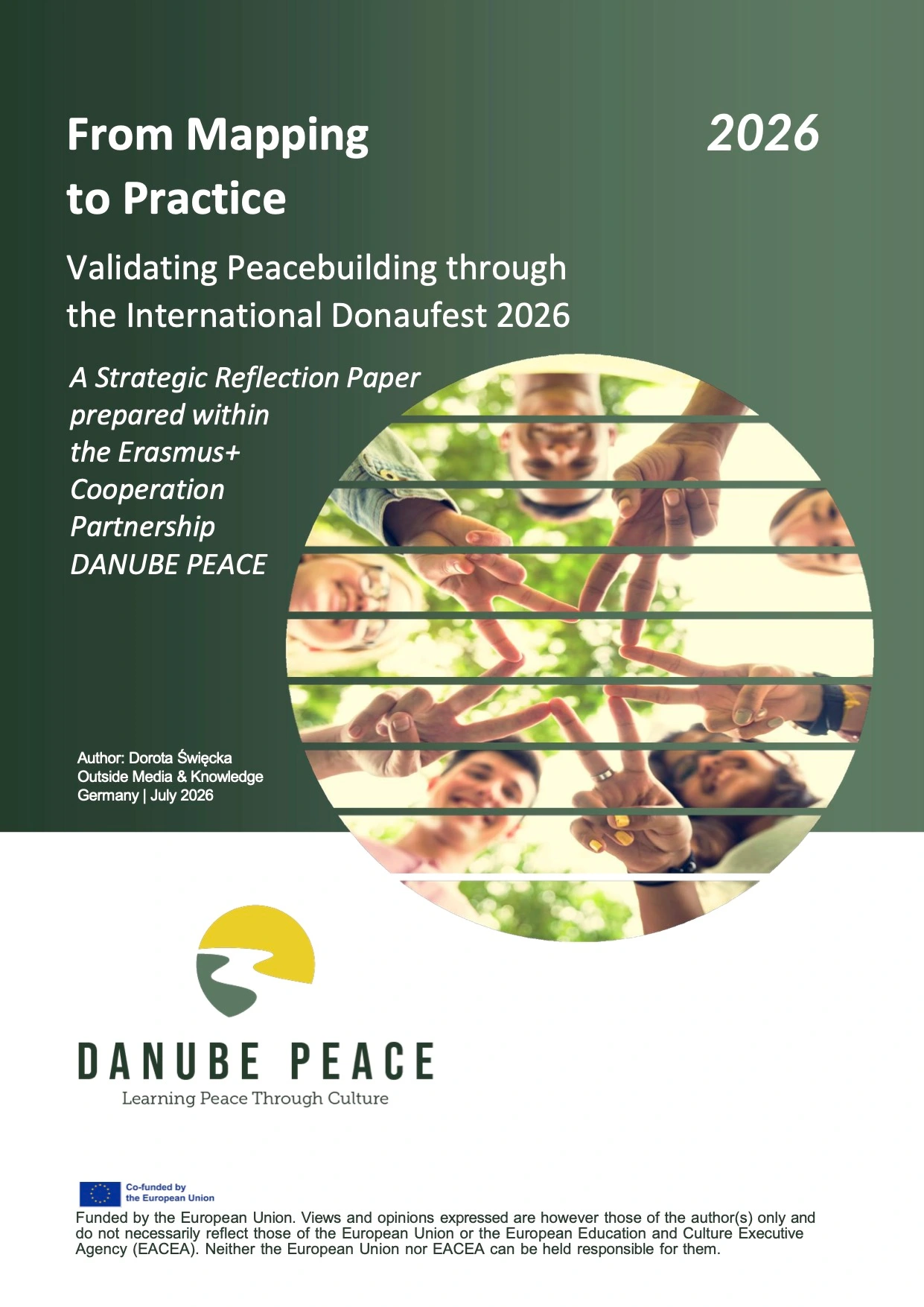
From Mapping to Practice – Validating Peacebuilding through the International Donaufest 2026

From Mapping to Practice – Validating Peacebuilding through the International Donaufest 2026

The International Donaufest 2026 in Ulm and Neu-Ulm provided Outside Media & Knowledge – the German partner of the DANUBE PEACE project – with an opportunity to test the principal findings of Work Package 2 against an established example of cross-border cultural cooperation. The exercise was designed as field validation rather than event reporting: evidence gathered through desk research and an expert interview with Sebastian Rihm, Director of Donaubüro Ulm/Neu-Ulm, was compared with direct observation of the Festival’s opening, institutional partnerships, youth activities, public programme and use of shared cultural space.


The opening ceremony provided the clearest evidence that the Festival’s peacebuilding function was explicit rather than incidental. The Lord Mayors of Ulm and Neu-Ulm, Martin Ansbacher and Katrin Albsteiger, began with a minute of silence for people unable to live in peace and affirmed solidarity with “a free and self-determined Ukraine”. This political commitment was given an immediate human presence through a live connection with Alex in Kharkiv, who addressed the audience and performed John Lennon’s Imagine. The intervention connected the public gathered on the Danube with a person participating from a city living under the direct conditions of war. Ukraine was therefore present not only as the subject of solidarity expressed by European representatives, but through the voice and artistic agency of someone speaking from Kharkiv itself. The symbolic opening on the river, accompanied by the European anthem, consequently framed the Danube as a shared European public space in which political commitment, cultural expression and direct transnational connection converged. Contemporary reporting described the Danube as becoming “the stage of Europe”.

WP4 Partner Meeting in Brno Sets the Course for the DANUBE PEACE Curriculum

WP4 Partner Meeting in Brno Sets the Course for the DANUBE PEACE Curriculum

Read more articles

Brusinka meeting 1
WP4 Partner Meeting in Brno Sets the Course for the DANUBE PEACE Curriculum
From research to action- DANUBE PEACE moves forward
From research to action: DANUBE PEACE moves forward
Danube-meeting-Germany_1
Erasmus+ Danube Peace Project Meeting Held in Emmendingen, Germany

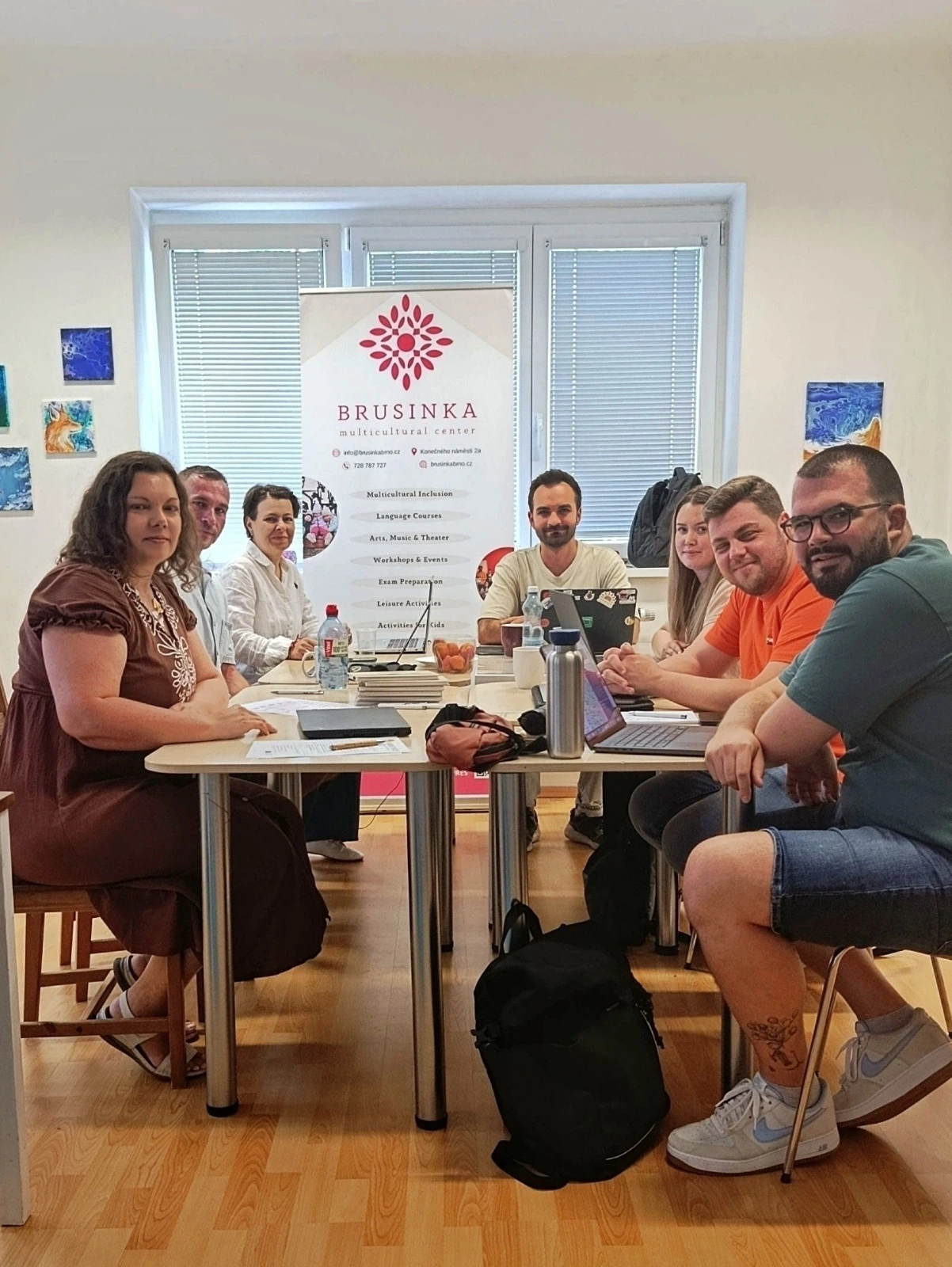
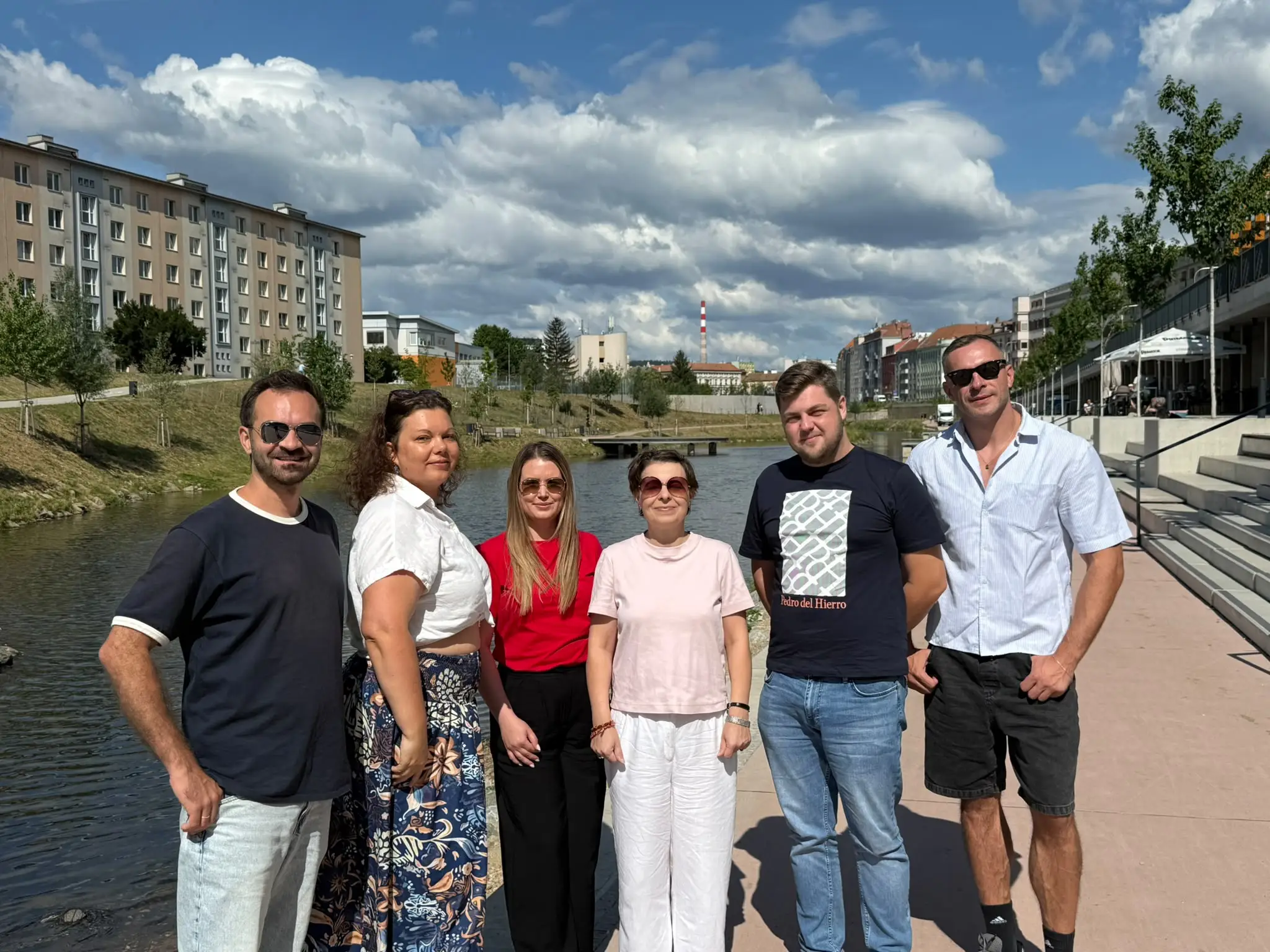
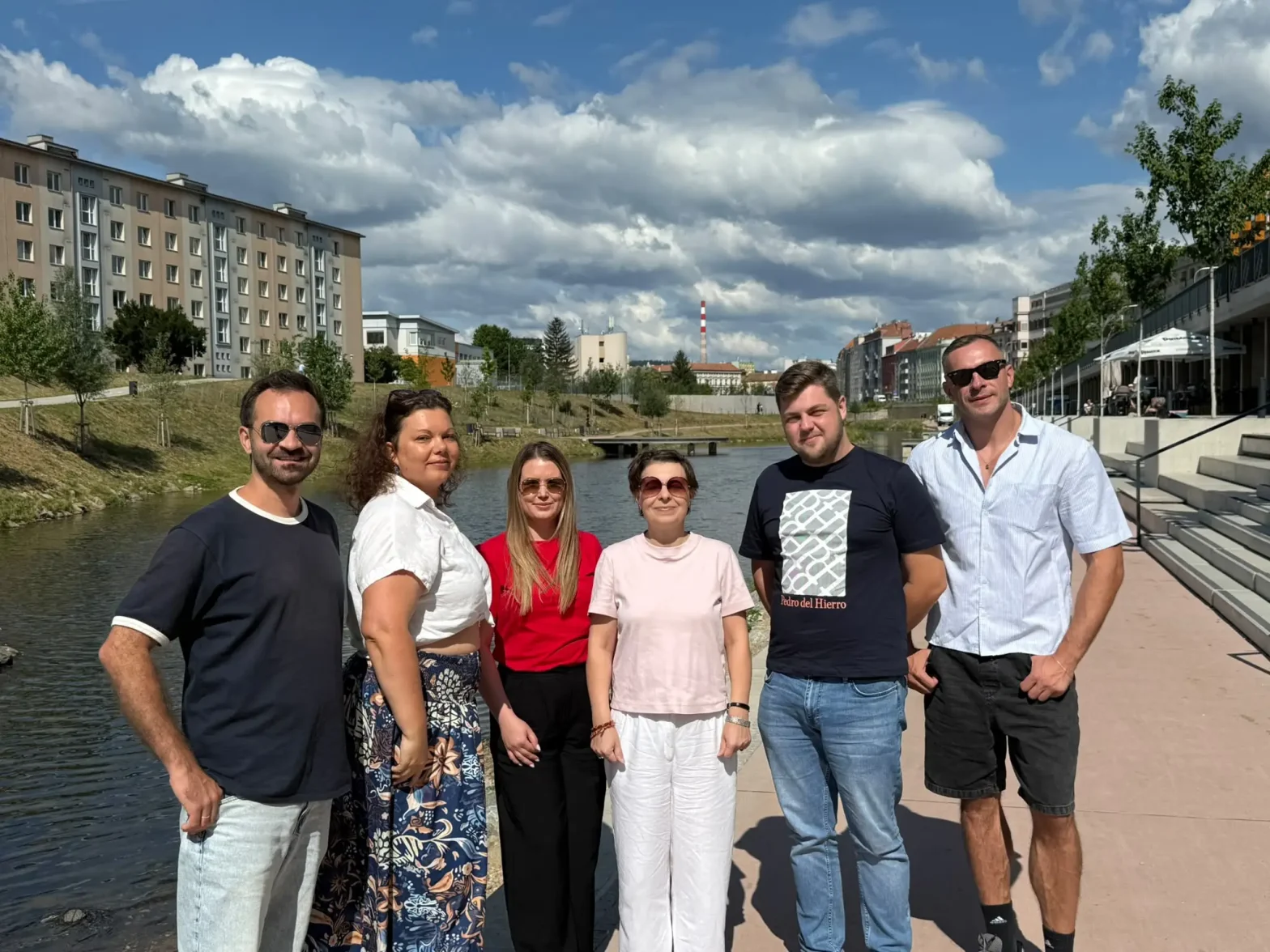
On 23–24 July 2026, DANUBE PEACE partners gathered in Brno, Czech Republic, hosted by Multicultural Center Brusinka, for a transnational project meeting dedicated to Work Package 4 – DANUBE PEACE Open Educational Resources (OERs). The two-day working meeting brought together representatives from all six partner organisations to shape the structure, content, and delivery of the project’s peace education curriculum for adult educators.


A Curriculum Built on Regional Evidence


Building on the findings of the WP2 Comprehensive Mapping Report and the animated explainer videos in development under WP3, partners agreed on a modular curriculum of six OER modules, each combining a core concept, a practical facilitation method, at least one real regional example, localisation notes, and a ready-to-use educator activity:

  1. Peace Education Basics – why it matters and how to facilitate safely (Youth Power Germany)
  2. Intercultural Dialogue (Pannonia Consulting)
  3. Empathy and Communication (Outside Media & Knowledge)
  4. Inclusion and Diversity in Learning (Democratic Initiatives Incubator)
  5. Creative Approaches to Peace Education (MC Brusinka)
  6. Active Citizenship & Intergenerational Dialogue (SPIN/Okret)


Each module will draw on concrete, regional practice; from Mostar’s youth clubs and the War Childhood Museum, to Brno’s Nekonečný příběh, the Ukrainian Peacebuilding School, Vukovar’s Peace Studies programme, and the long-running Donau Fest cooperation in Ulm/Neu-Ulm; ensuring the curriculum reflects lived experience across the Danube region rather than abstract theory alone.


Learning from Practice: The Donau Fest Example


A dedicated session explored the Donau Fest and Donaubüro Ulm/Neu-Ulm as a case study in sustained cross-border cultural cooperation, drawing out several strategic lessons for the DANUBE PEACE curriculum: that peacebuilding needs both grassroots dialogue and public commitment; that dialogue must be actively organised rather than left to chance; that culture opens doors but facilitation determines what happens next; and that European cooperation becomes credible to citizens when it is anchored in named people, local projects, and long-term institutional roles – not policy language alone.


Agreeing on Formats, Roles, and Timeline


Partners also confirmed the learning formats to be integrated into each module; including the WP3 animated explainer videos, case studies, practical exercises, reflection activities, facilitation tools, and downloadable and interactive digital resources.


A clear partner contribution matrix was agreed, assigning each organisation a primary content focus, regional evidence base, and localisation responsibility, alongside a detailed content development workflow; from module brief and draft activity, through peer review and localisation, to testing and final publication. Every module will be peer-reviewed by a partner from outside its own country context, to check clarity and transferability across the region.


The group set out a working timeline for the coming months: templates finalised by end of July, regional examples submitted by early August, module outlines by mid-August, first drafts by end of August, followed by peer review, revisions, and translation through the autumn – with a first full draft expected by October–November 2026 and finalisation targeted for March 2027.


Also on the Agenda


Beyond WP4, partners reviewed progress on the WP2 Comprehensive Mapping Report, discussed the design and content of the interactive digital map of peace education initiatives, and agreed next steps for testing, translation, and stakeholder feedback across the network. The upcoming project website and digital map were also discussed, with plans to make demo versions available soon to support piloting and feedback collection.


The Brno meeting closed with a shared roadmap for WP4 implementation and a strong sense of momentum – partners also enjoyed local Moravian hospitality, a walk along the Svratka river, and a taste of South Moravian wine and Czech beer alongside the working sessions.

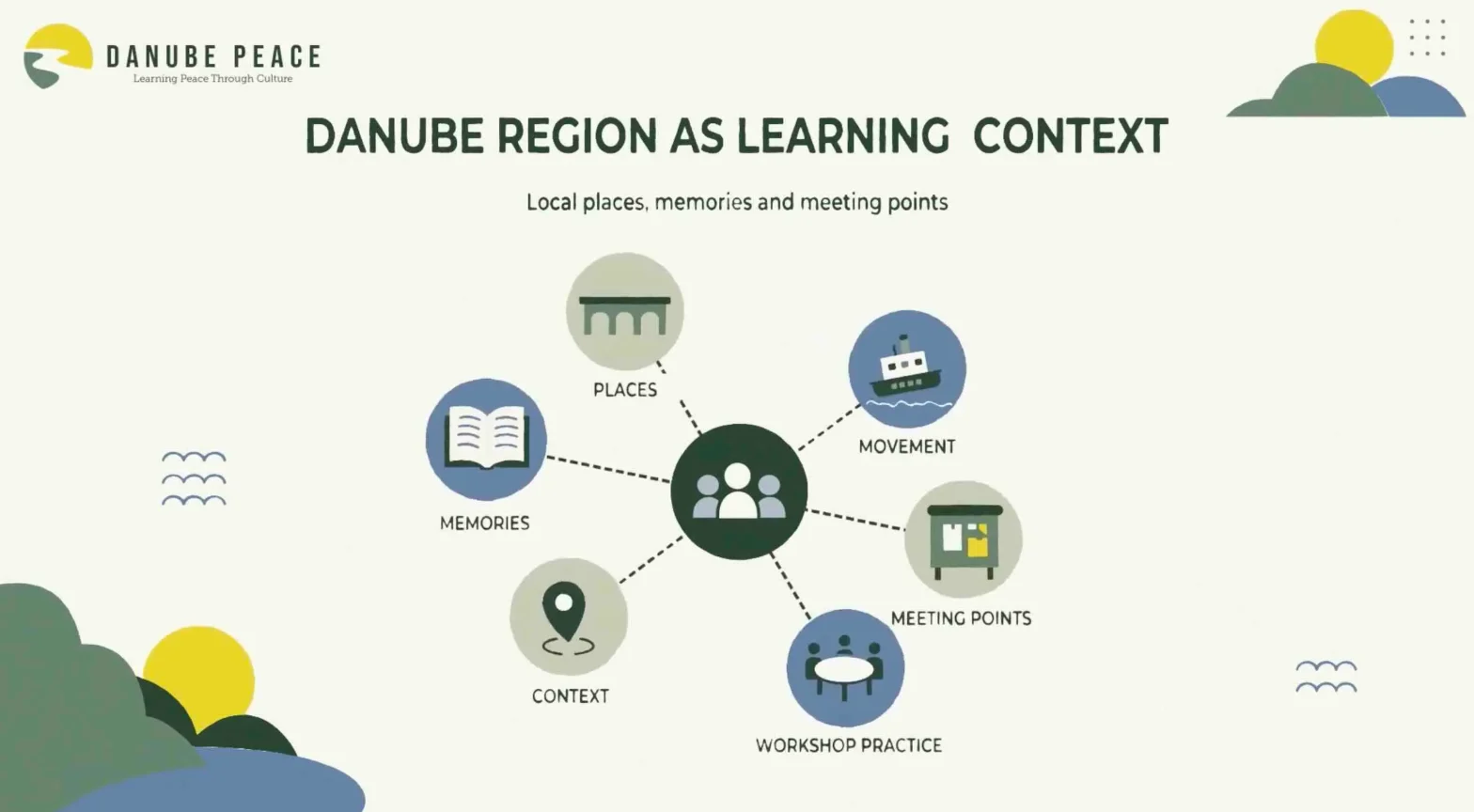
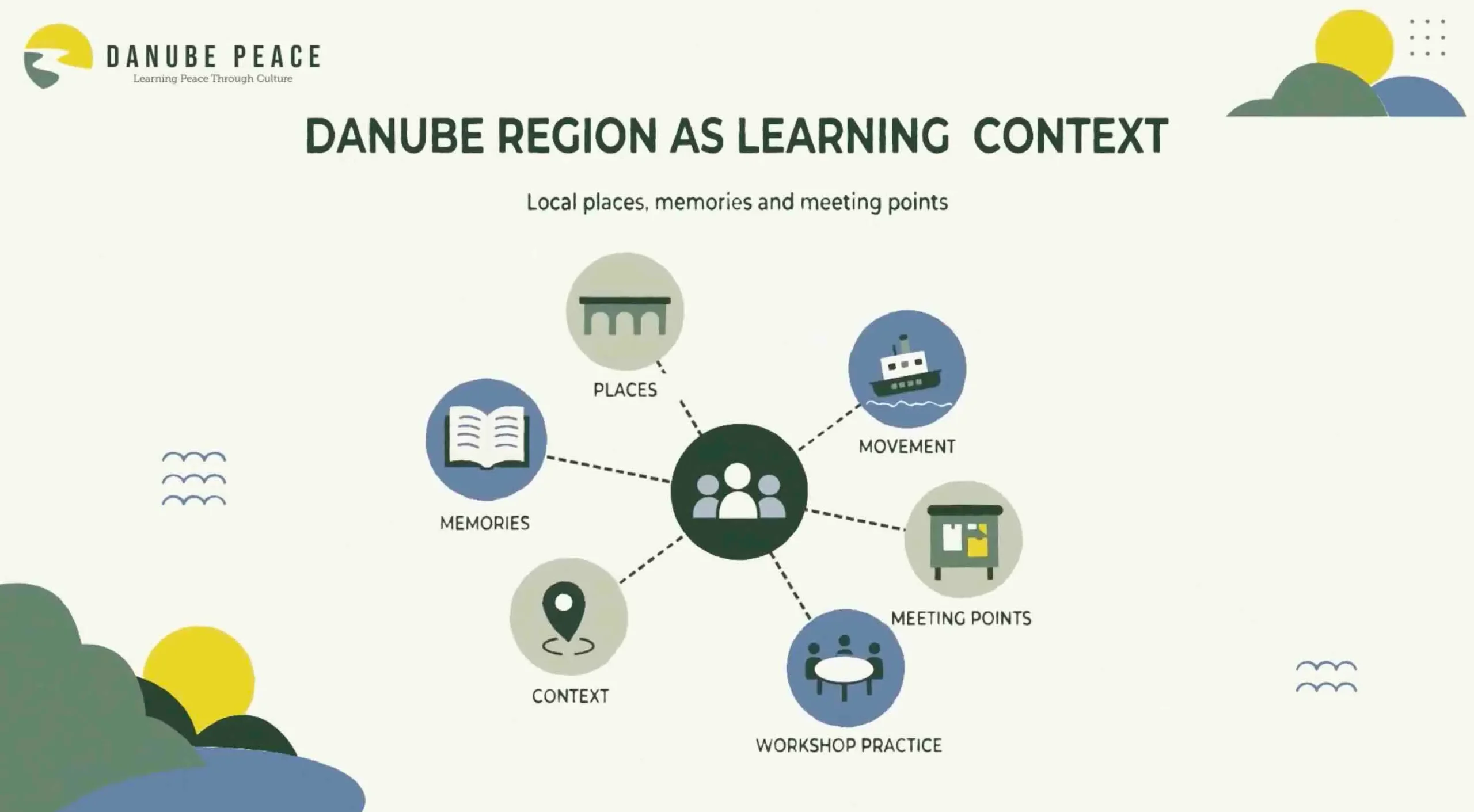
Danube Region as Learning Context

Danube Region as Learning Context

This video explores the Danube region as a learning context – showing how local places, memories, meeting points and shared histories can become powerful resources for peace education and adult learning.


Through culture, dialogue and community-based practice, educators can connect learning to real local realities.

Comprehensive mapping report

Comprehensive mapping report

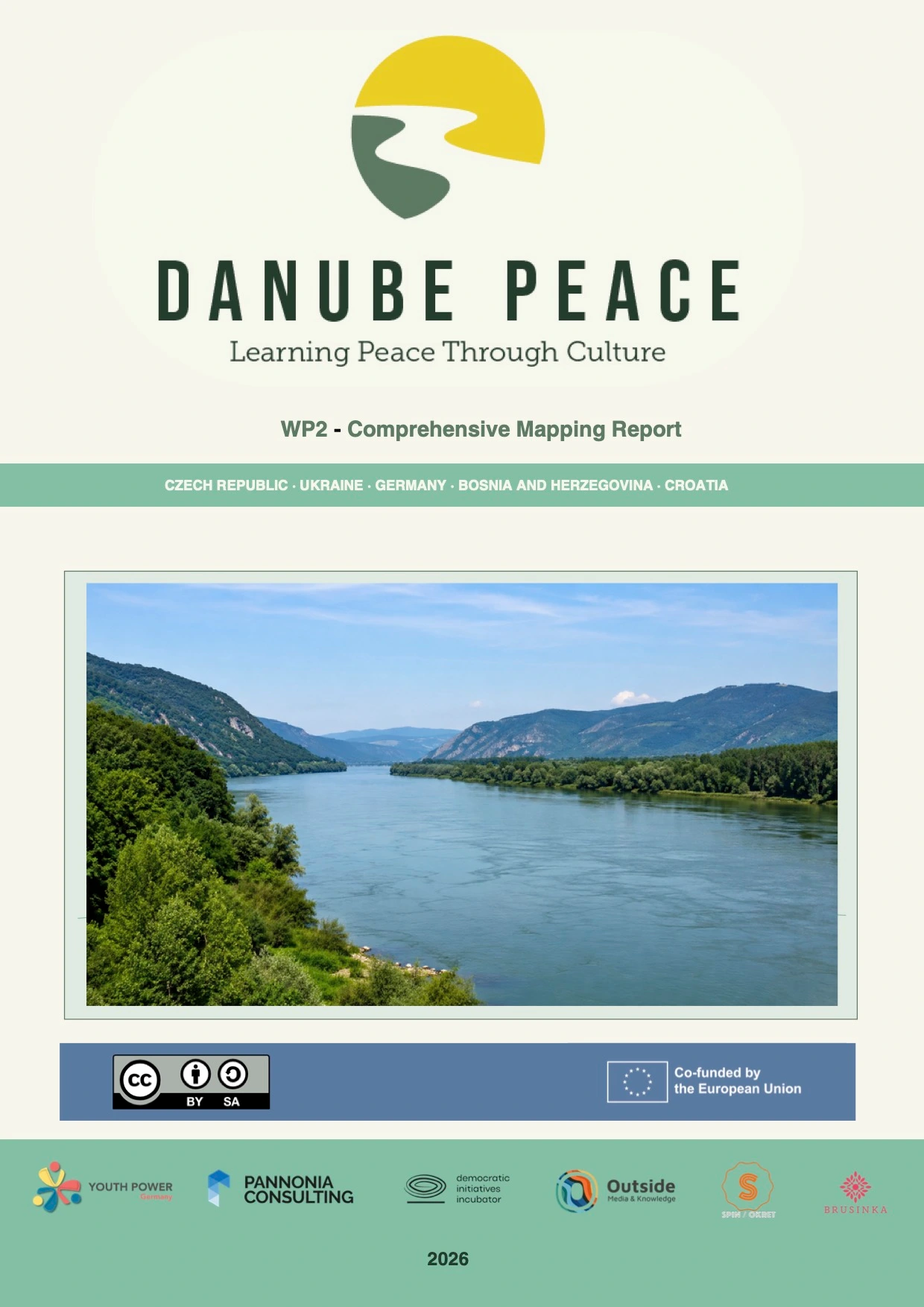
The purpose of this mapping exercise was to establish a robust evidence base for peace education in the Danube region. By systematically identifying existing educational and cultural initiatives, institutional frameworks, and civil-society actors, the mapping seeks to reveal both the strengths and the gaps in how peace, human rights, intercultural dialogue, and social inclusion are addressed through education and related community work. In doing so, the mapping aims to inform the design of interventions targeting adult educators, displaced persons, cultural actors, and intergenerational groups, ensuring that subsequent project work is grounded in real needs, existing assets, and a clear understanding of the regional context.


The methodological approach combined desk-based research and empirical data collection. Drawing on global and regional literature in peace education and post-conflict reconciliation, we reviewed existing studies, prior mappings, policy documents, and relevant educational frameworks. Complementing this, we designed survey instruments, interview guides, focus group protocols, and resource-mapping templates to gather input from local stakeholders across five partner countries, including educators, civil-society organisations, cultural institutions, community mediators, and displaced persons.


This mixed-methods design captures not only formal peace-education programmes but also informal and non-formal grassroots initiatives, cultural memory work, and cross-border projects that might otherwise remain invisible. Data were collected through 7 expert interviews, 5 focus groups involving 39 participants, 5 national surveys with a combined 150 respondents, 16 case studies, and the mapping of 28 resources across the partner countries.

From research to action: DANUBE PEACE moves forward

From research to action: DANUBE PEACE moves forward

Read more articles

Brusinka meeting 1
WP4 Partner Meeting in Brno Sets the Course for the DANUBE PEACE Curriculum
From research to action- DANUBE PEACE moves forward
From research to action: DANUBE PEACE moves forward
Danube-meeting-Germany_1
Erasmus+ Danube Peace Project Meeting Held in Emmendingen, Germany
Over the past months, partners of the DANUBE PEACE project have been working on research activities, stakeholder consultations, focus groups, case studies, and mapping peacebuilding resources across the Danube region.
 
The findings highlighted several common challenges faced by our communities today, including social polarisation, declining trust, misinformation, and the need for more spaces that encourage dialogue and mutual understanding.
 
At the same time, the research also revealed inspiring examples of how local communities, educators, and civil society organisations contribute to building peace and social cohesion every day.
 
As we finalise Work Package 2, we are now entering the next phase of the project. Building on the collected knowledge and experiences, project partners are developing educational resources and video materials that will support adult educators, facilitators, and community practitioners in promoting dialogue, cooperation, and peaceful coexistence.


Stay tuned as we share more about the upcoming DANUBE PEACE resources and activities!

Erasmus+ Danube Peace Project Meeting Held in Emmendingen, Germany

Erasmus+ Danube Peace Project Meeting Held in Emmendingen, Germany

Read more articles

Brusinka meeting 1
WP4 Partner Meeting in Brno Sets the Course for the DANUBE PEACE Curriculum
From research to action- DANUBE PEACE moves forward
From research to action: DANUBE PEACE moves forward
Danube-meeting-Germany_1
Erasmus+ Danube Peace Project Meeting Held in Emmendingen, Germany

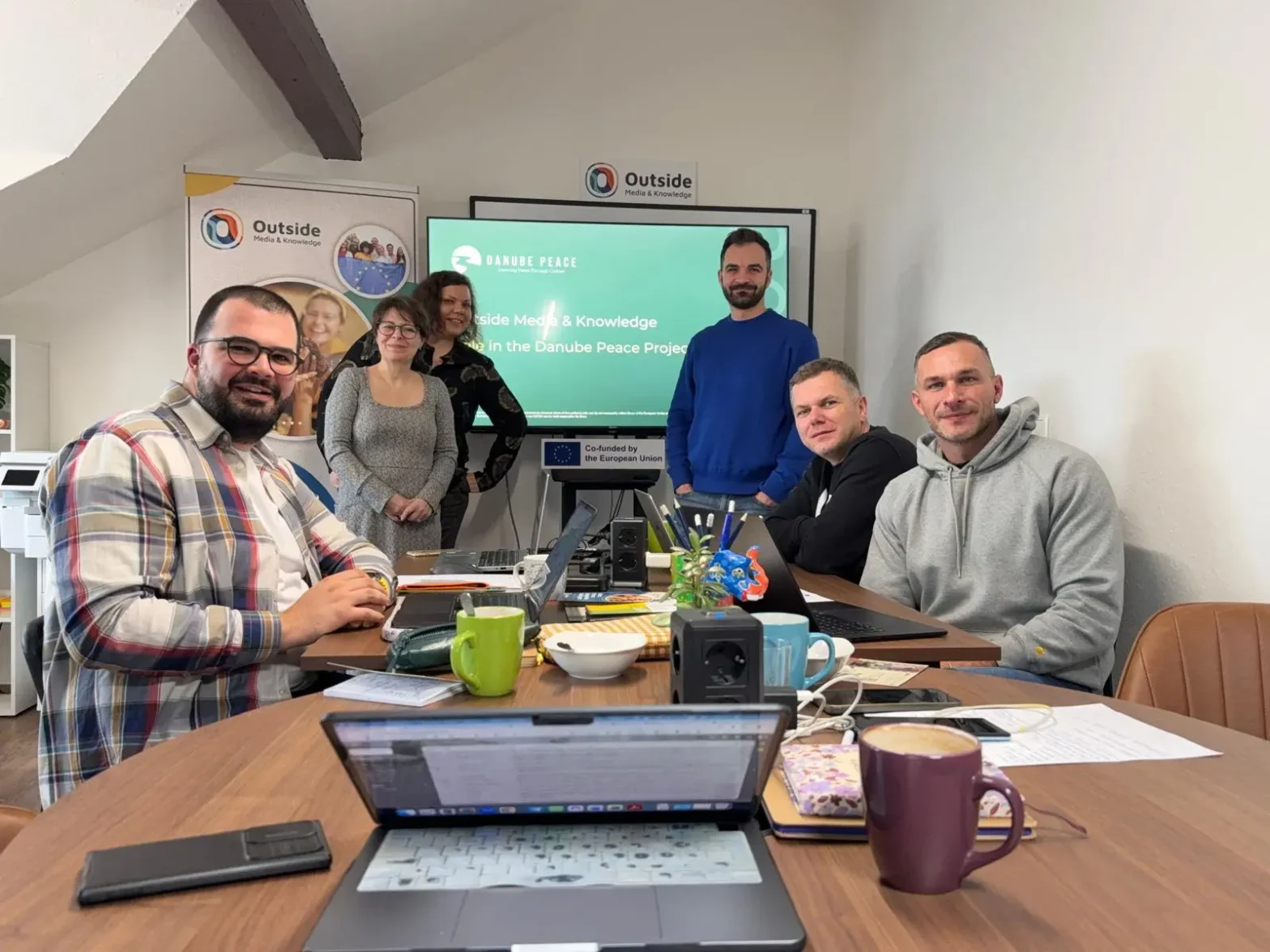
On 6 February 2026, partners of the Erasmus+ project Danube Peace – Learning Peace Through Culture gathered in Emmendingen, Germany, for a transnational project meeting focused on coordination, quality assurance, and further development of project activities in the field of adult education and peacebuilding.


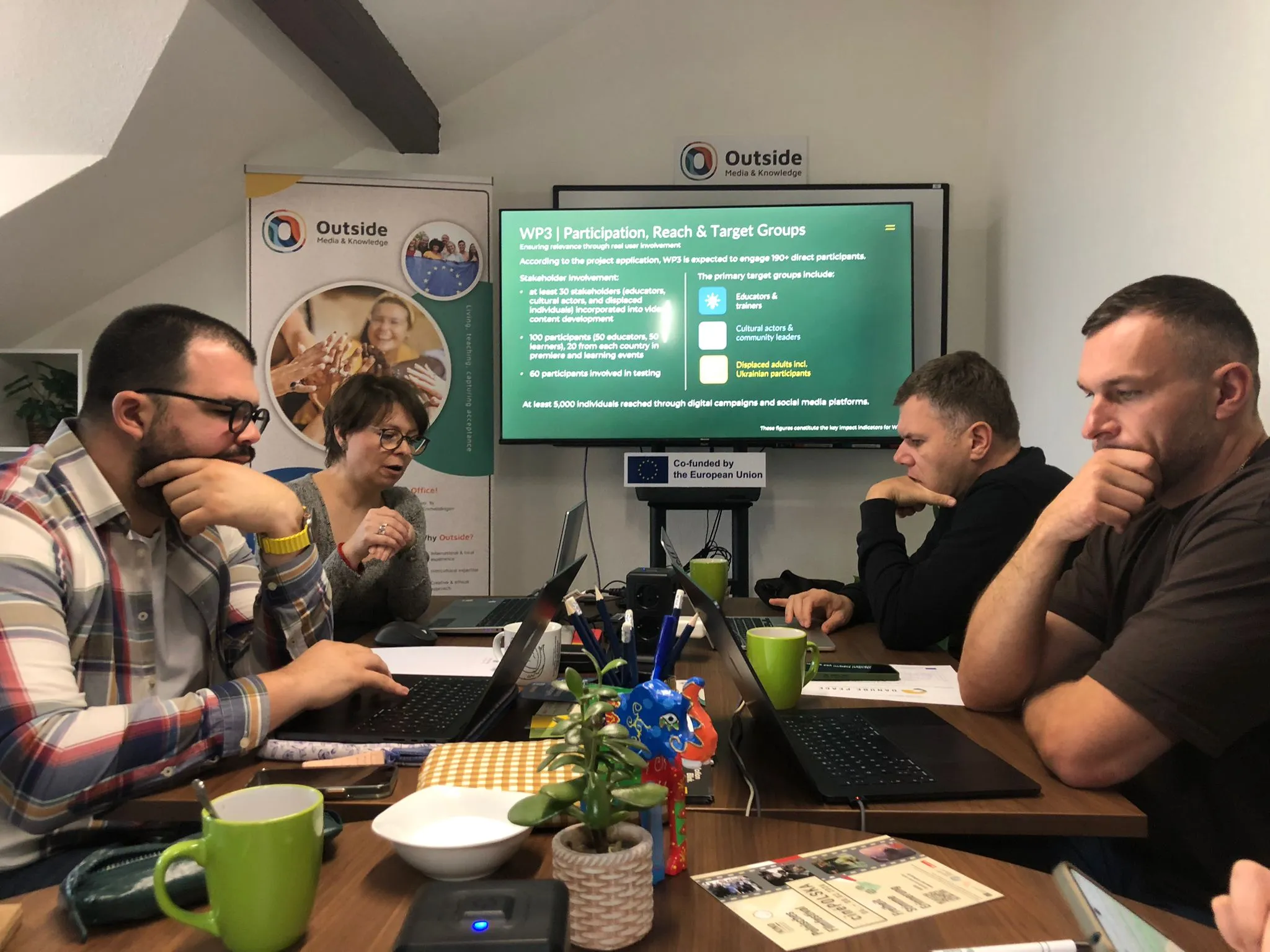
The meeting was hosted by Outside Media & Knowledge and brought together partners from several European countries. The agenda covered the implementation progress and next steps across all work packages, ensuring alignment with project objectives and Erasmus+ quality standards.


A significant part of the meeting was dedicated to project management and quality assurance, with a focus on effective coordination, monitoring mechanisms, and smooth cooperation among partners. Partners also worked on mapping opportunities for peace education and collaboration within the Danube region, identifying good practices, stakeholders, and potential synergies at regional and European level.


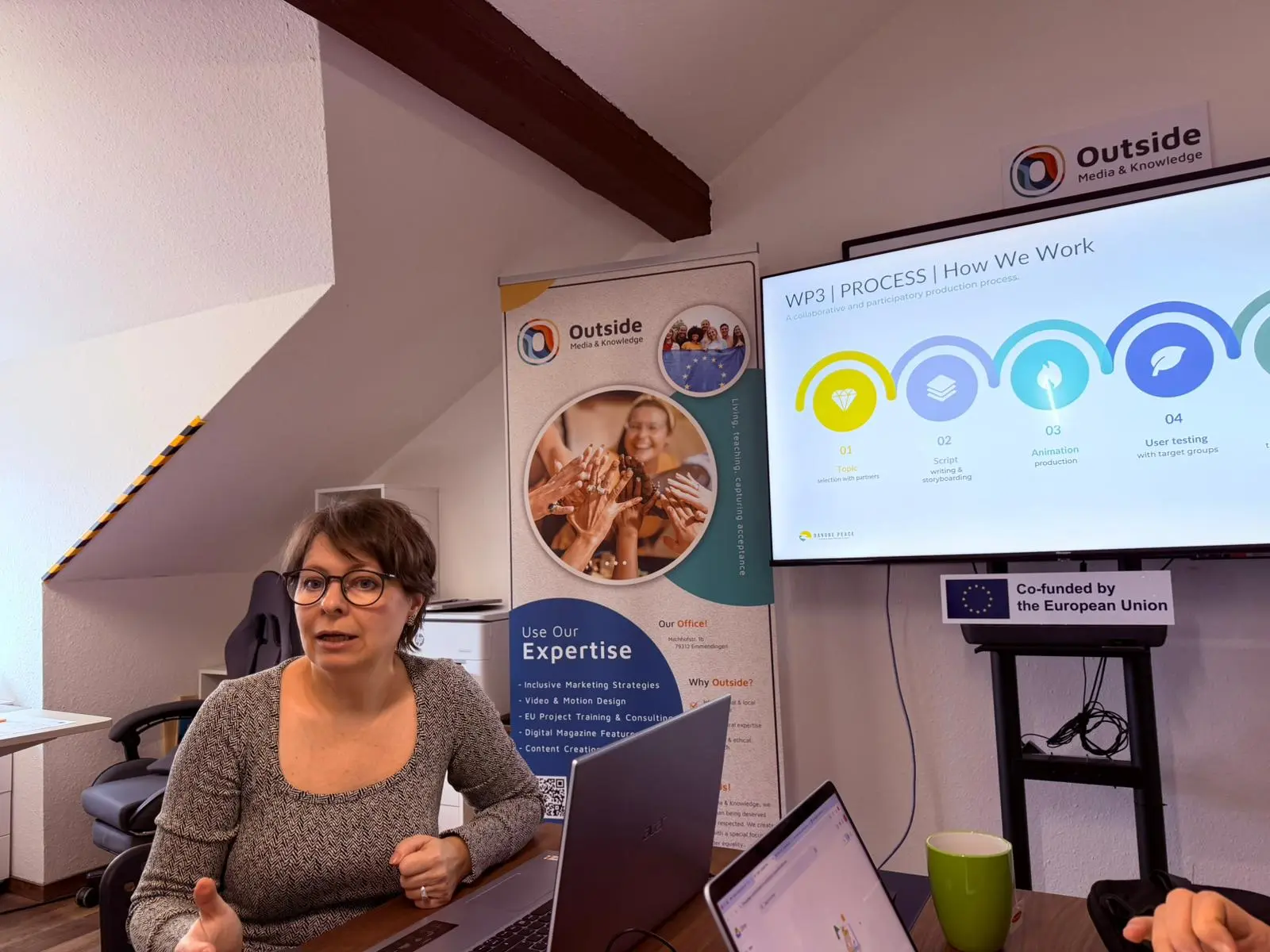
Further sessions addressed the development of animated educational videos aimed at making peace education more accessible and engaging for adult learners, as well as the creation of open educational resources (OERs) that will be freely available and transferable across different educational contexts.


The meeting also included strategic discussions on dissemination and communication, including the project website and outreach activities, and on the organisation of future networking and in-person training events that will support knowledge exchange and capacity building among educators and organisations.


Through constructive dialogue and collaborative planning, the partners reaffirmed their shared commitment to using culture and adult education as tools for peace, dialogue, and mutual understanding across the Danube region and beyond. The meeting marked an important step forward in ensuring the quality, relevance, and long-term impact of the Danube Peace project.