Different generations may live in the same neighbourhood yet have few opportunities to learn from one another. A creative activity offers an accessible reason to meet: people make something, notice each other’s choices and begin asking questions. For adult educators and community organisers, the challenge is to turn a pleasant encounter into purposeful learning and dialogue. The DANUBE PEACE mapping offers a useful starting point.
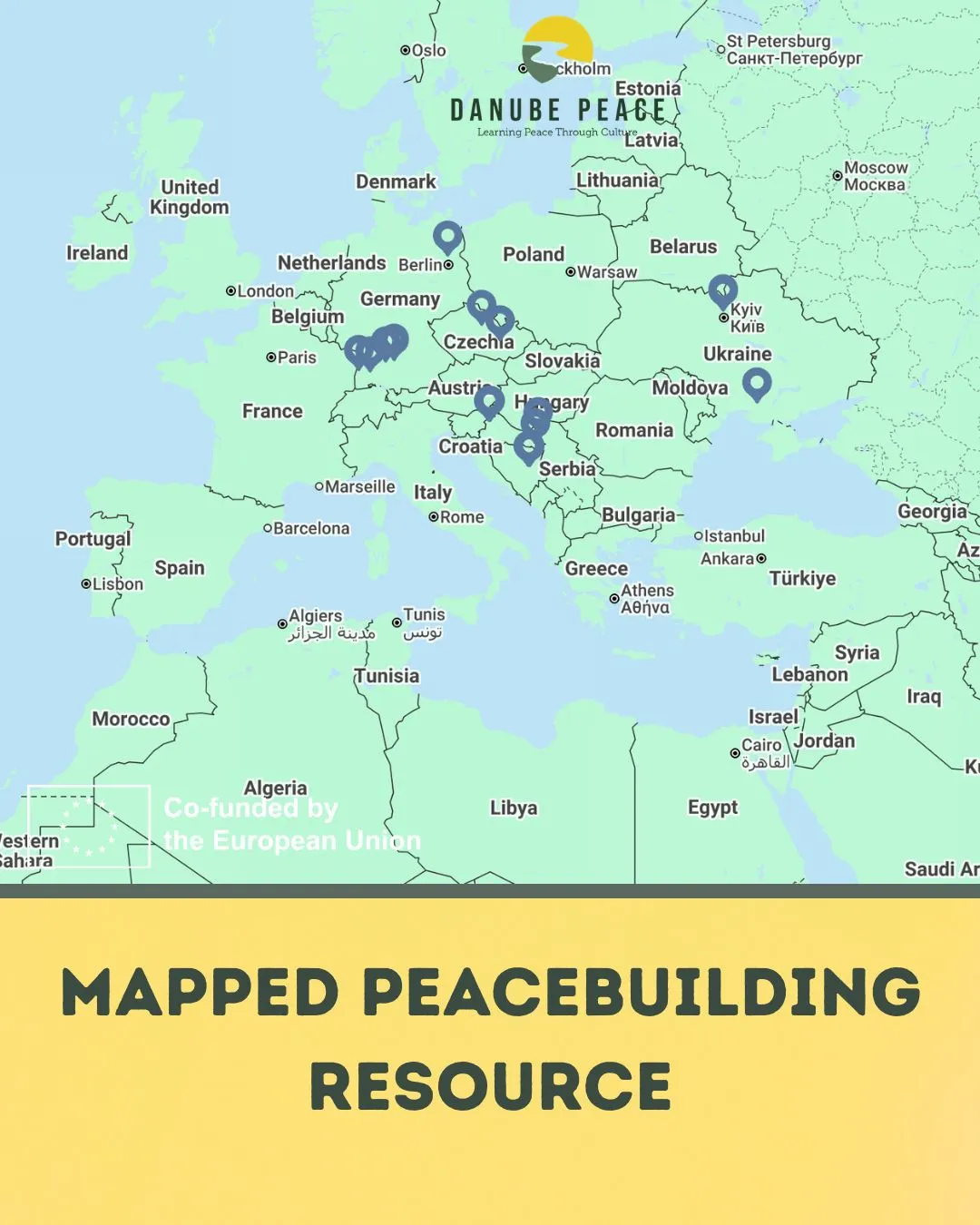
Research across Czechia, Ukraine, Germany, Bosnia and Herzegovina and Croatia identifies intergenerational exchange as a promising but under-supported approach to peace education. The DANUBE PEACE Comprehensive Mapping Report notes that contact across generations often remains informal rather than becoming part of sustained educational or civic programmes (Executive Summary, pp. 6–7). Its recommendations highlight community storytelling, local heritage, shared volunteering and reflective workshops as ways to encourage cooperation. They also emphasise intentional facilitation and accessibility: meaningful dialogue needs more than simply bringing people into the same room (Section 7.4, p. 113).
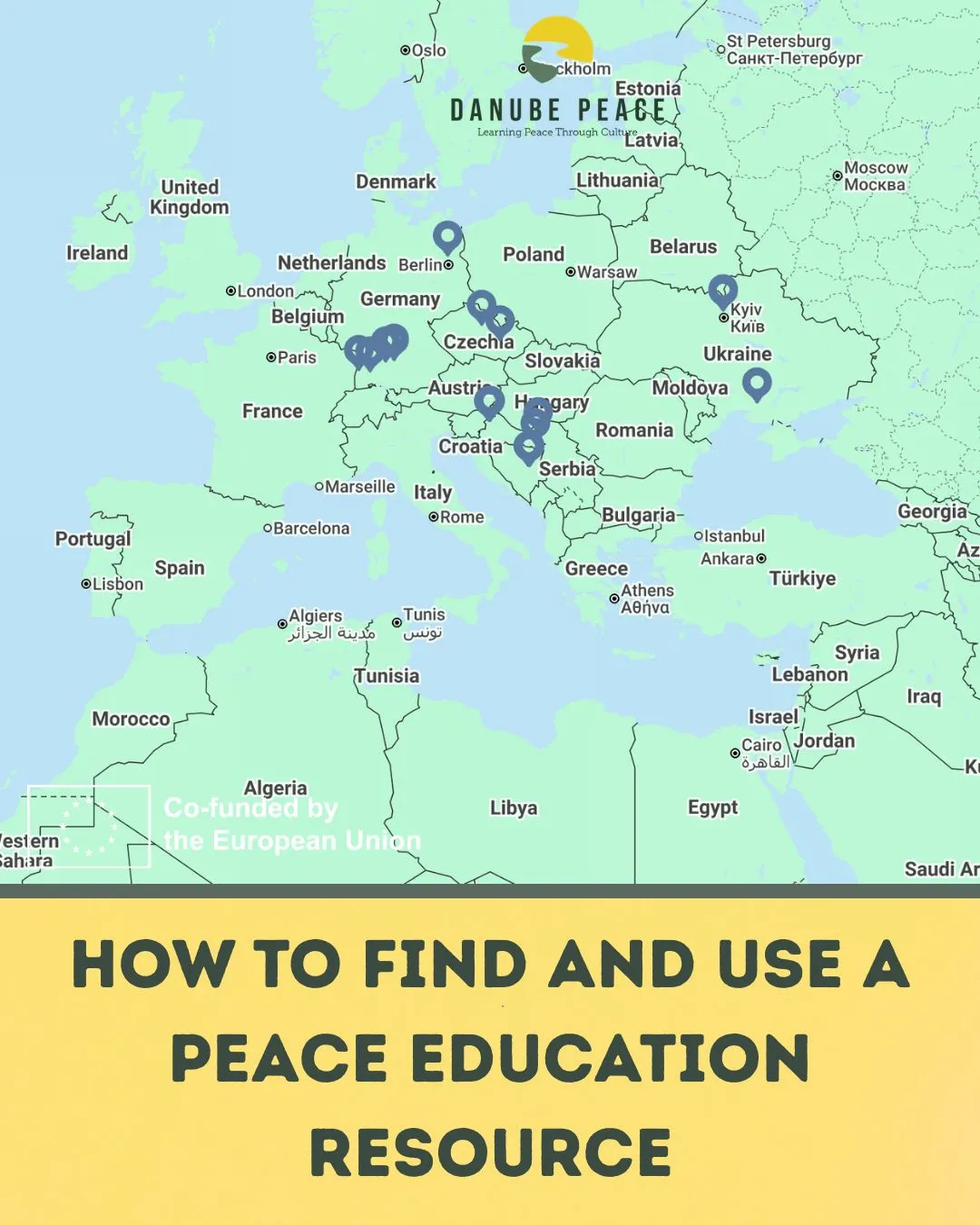
One initiative featured on the Interactive Peacebuilding Opportunities Map is Multicultural Center Brusinka in Brno, Czechia. The centre combines language education, creative workshops and intercultural community activities for local residents, international families and newcomers (Section 4.5.1, p. 82; original source: www.brusinkabrno.cz). Its community approach can inspire a workshop format called ‘Colours of Our Stories’. Invite participants of different ages to create a small artwork with colours and shapes connected to a meaningful place, a tradition or a hope for their neighbourhood. Participants may explain their choices, ask questions or simply listen. Displaying the finished pieces gives the group something tangible to discuss. This is a suggested adaptation inspired by the mapped resource, not a workshop already delivered through DANUBE PEACE.
A short creative session will not resolve every difference, but it can create an approachable space for listening and a first shared experience. The DANUBE PEACE map helps educators identify existing community practices, while the mapping report explains wider findings and recommendations. Explore one resource, check its original source and adapt an activity to your own learners. Start with one small creative task and one question worth discussing.
Explore the Interactive Peacebuilding Opportunities Map
https://danube-peace.eu/en/interactive-peacebuilding-opportunities-map/
Read the WP2 Comprehensive Mapping Report
https://danube-peace.eu/en/comprehensive-mapping-report/
Research references
DANUBE PEACE Comprehensive Mapping Report (2026): Executive Summary, pp. 6–7; Section 4.5.1, p. 82; Section 7.4, p. 113. Original resource: https://www.brusinkabrno.cz/
Research PDF: https://danube-peace.eu/wp-content/uploads/2026/07/DANUBE-REPORT-FINAL.pdf
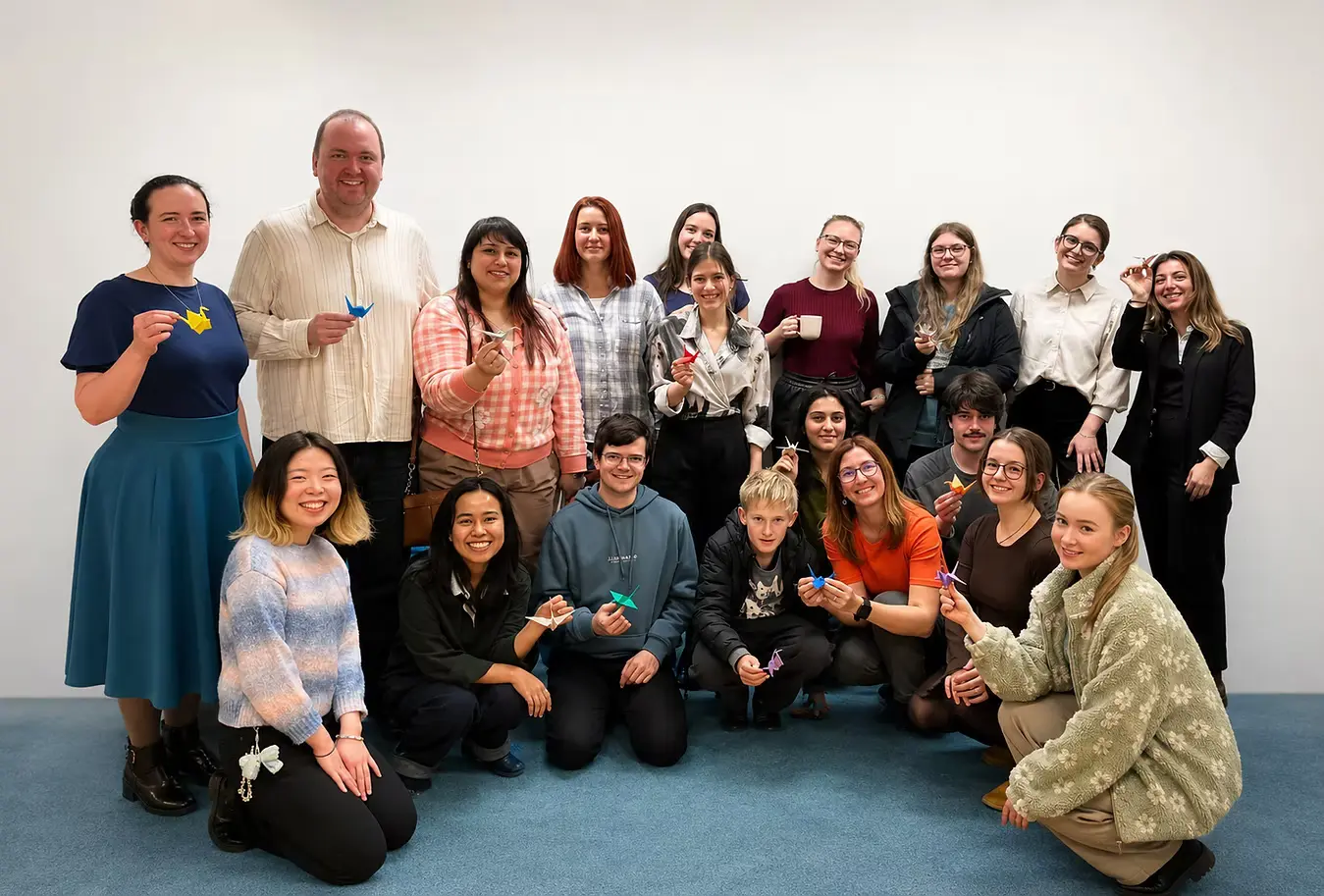
Image alt text: A group of adults and children stand in a room showing small, colourful circular artworks at a community creative gathering.
Image credit: Courtesy of Multicultural Center Brusinka. Publication permission confirmed for the DANUBE PEACE campaign.

We use cookies to improve your experience on our site. By using our site, you consent to cookies.
Manage your cookie preferences below:
Essential cookies enable basic functions and are necessary for the proper function of the website.
These cookies are needed for adding comments on this website.