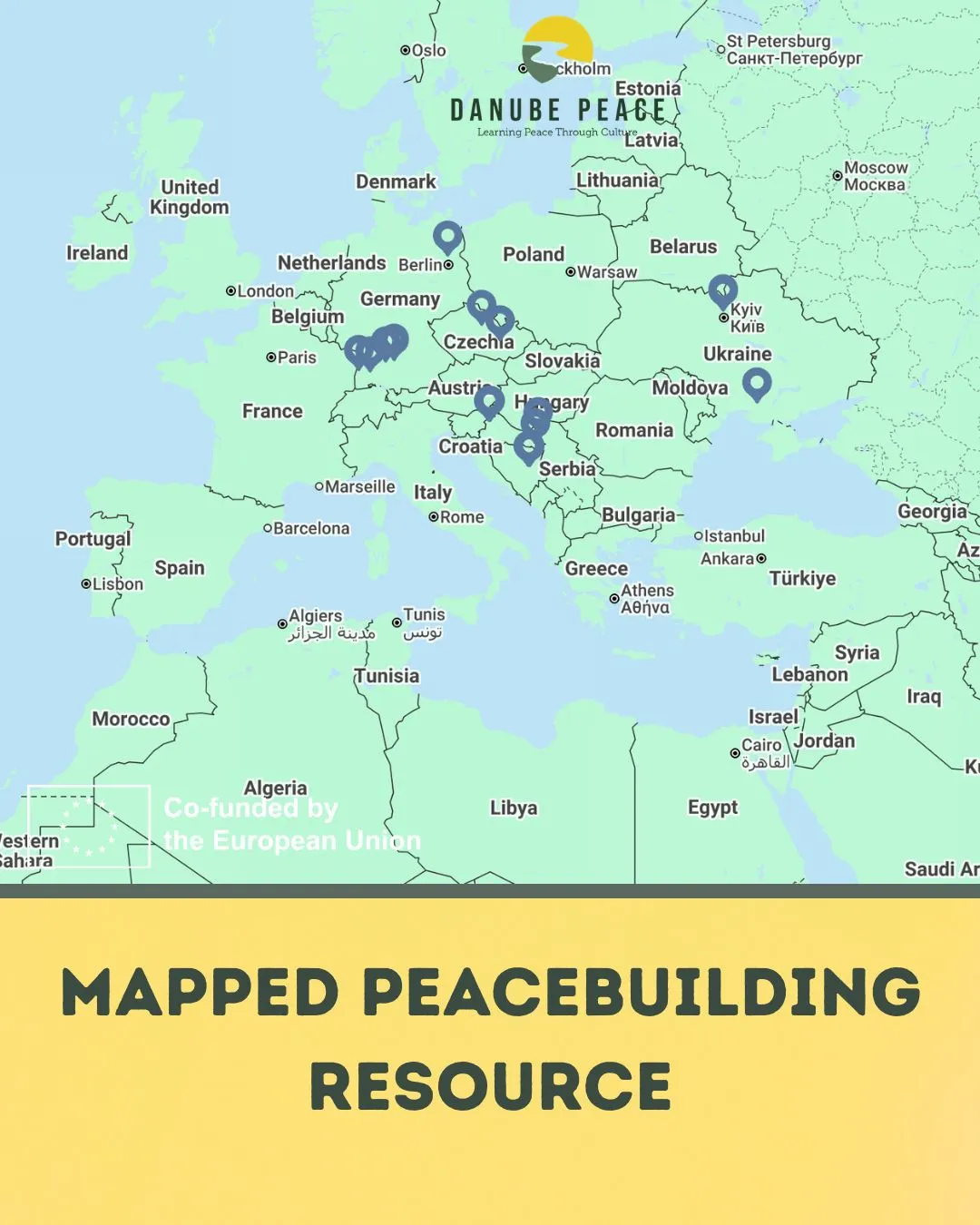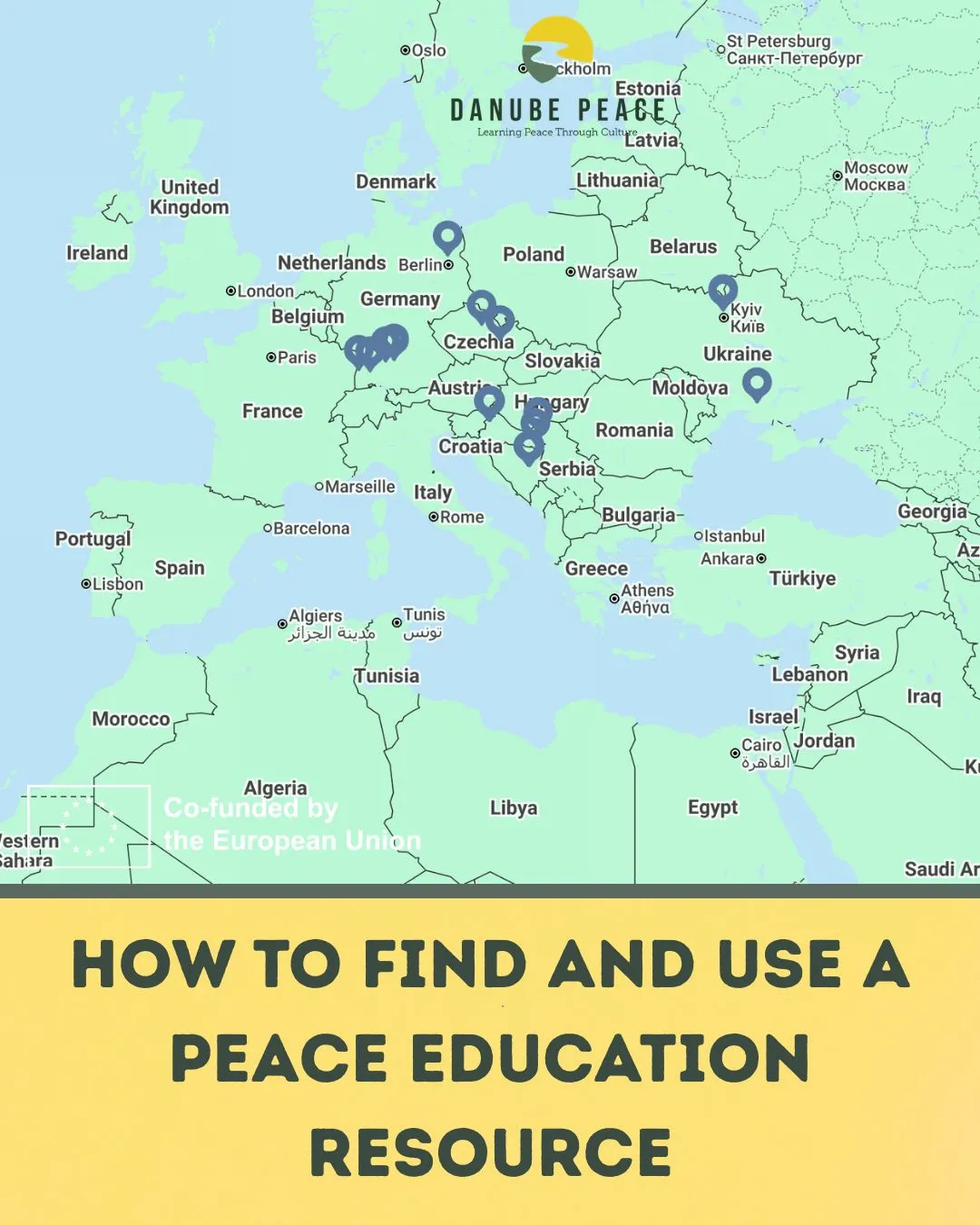
You have an idea that would work better with a partner in another country, but where do you start? Many educators and organisations stall at this point, not for lack of goodwill but because it is unclear whom to approach or what to propose. This article shows how to use the DANUBE PEACE map to identify possible counterparts and plan a small, realistic first step.
The WP2 Comprehensive Mapping Report finds that the five partner countries differ in their socio-political contexts but share highly similar implementation challenges, including weak coordination, fragmented local provision and limited access to practical educational tools. It therefore recommends cross-border cooperation based on practical mutual learning and shared resources rather than abstract conceptual exchange.
The report’s roadmap adds that respondents in all surveyed countries were open to tools that help them identify organisations, initiatives and cooperation partners. These findings reflect the people who took part in the research, not every organisation in the region, but they point in a clear direction: start with something practical.
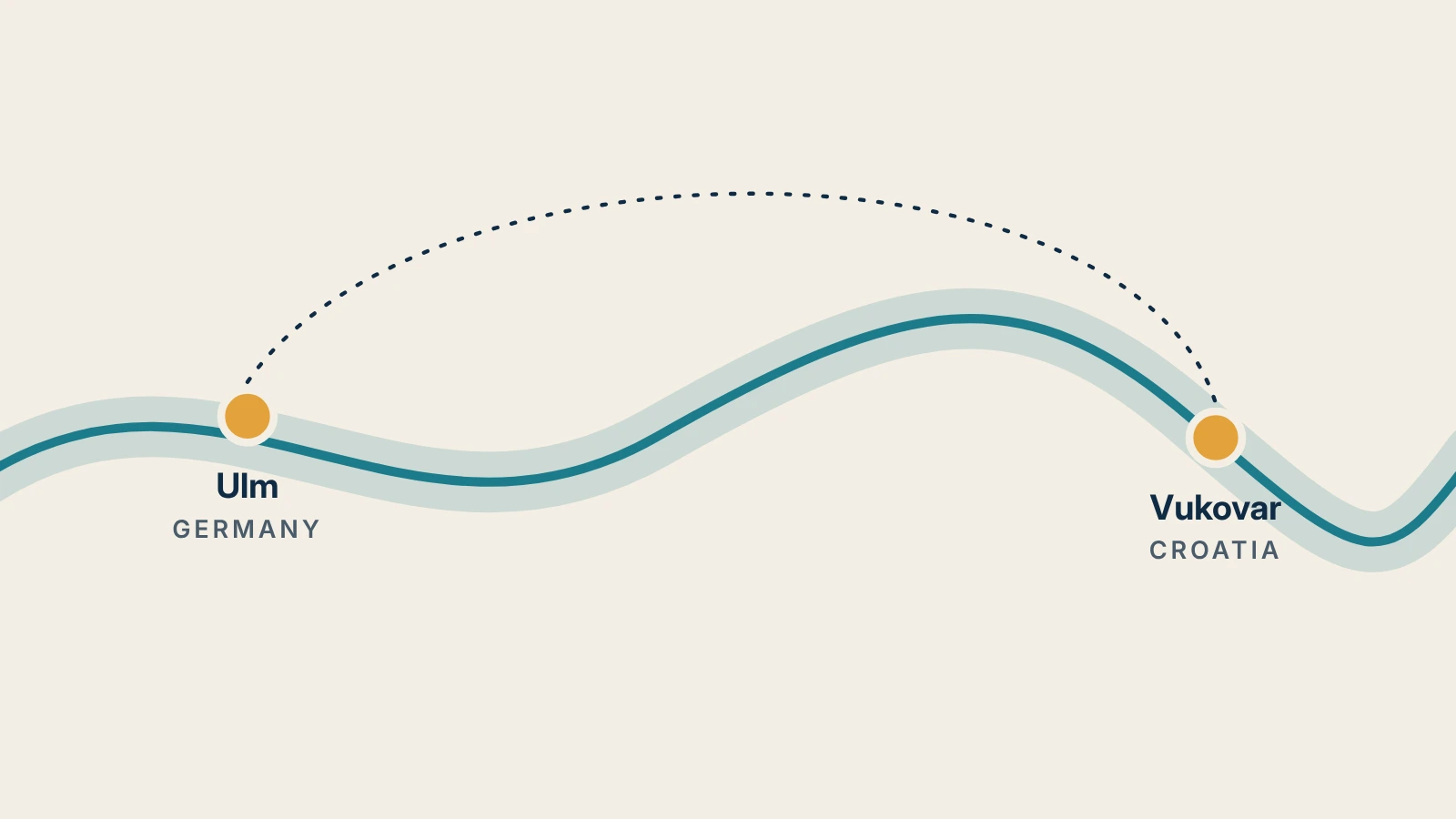
Two entries from the mapping show what a starting point might look like. The Donaubüro Ulm/Neu-Ulm in Germany is a city-based hub and project agency that connects actors from culture, education and civil society and supports cross-border EU and local projects in the Danube Region. Youth Peace Group Danube, based in Vukovar, Croatia, works on peacebuilding, youth work, non-formal education and intercultural dialogue in a post-conflict context.
The map does not show these organisations as partners, and this article does not suggest that they cooperate. Placing them side by side is our suggestion: one brings a regional networking perspective from the upper Danube, the other long-term community experience further downstream. A first conversation between organisations like these could reveal methods worth exchanging.
Cross-border cooperation rarely begins with a large project. More often it begins with one well-prepared conversation. Explore the DANUBE PEACE map and choose one entry in another country that is relevant to your next learning or community activity. Read the mapping report for the wider findings and recommendations, especially Section 7.5. Check the original source and adapt any idea to your own participants and setting.
Explore the map: https://danube-peace.eu/en/interactive-peacebuilding-opportunities-map/
Read the report: https://danube-peace.eu/en/comprehensive-mapping-report/

We use cookies to improve your experience on our site. By using our site, you consent to cookies.
Manage your cookie preferences below:
Essential cookies enable basic functions and are necessary for the proper function of the website.
These cookies are needed for adding comments on this website.