From Ukraine’s experience of war to intercultural initiatives in Germany and reconciliation efforts in the Western Balkans, new research reveals why peace education matters and how educators can turn existing resources into meaningful learning experiences.
Across Europe, peace is increasingly discussed not only in relation to war and security, but also through the everyday challenges of polarisation, social exclusion, misinformation and declining trust. For adult educators, these developments raise an important question: how can education help people understand differences, engage in constructive dialogue and strengthen relationships within their communities?
A comprehensive mapping study conducted through the Erasmus+ DANUBE PEACE project offers insights from five European countries: Czechia, Ukraine, Germany, Bosnia and Herzegovina and Croatia.
Strong support for peace education, but significant barriers remain
Led by Pannonia Consulting, the WP2 research combined five national surveys with 150 respondents, 39 focus-group participants, seven expert interviews, 16 case studies and 28 mapped educational and community resources.
More than 90% of surveyed respondents considered peace education important or very important. Yet the findings reveal a gap between recognising its value and having the resources to put it into practice.
Educators and civil society practitioners identified unstable funding, insufficient training in dialogue facilitation, limited access to locally adapted materials and weak cooperation between organisations as recurring challenges.
The research also revealed that peace education takes different forms depending on the circumstances in which people live.
Five countries, different realities, shared lessons
In Ukraine, where communities continue to experience the consequences of Russia’s full-scale invasion, peace education is closely connected to resilience, displacement and social recovery. Among the mapped resources is Let’s Learn to Create Peace, a methodological handbook providing interactive exercises, discussion formats and forum-theatre activities.
In Bosnia and Herzegovina, the legacy of conflict makes historical memory and reconciliation particularly relevant. Sarajevo’s War Childhood Museum demonstrates how personal stories and educational activities can encourage reflection on experiences of war, empathy and coexistence.
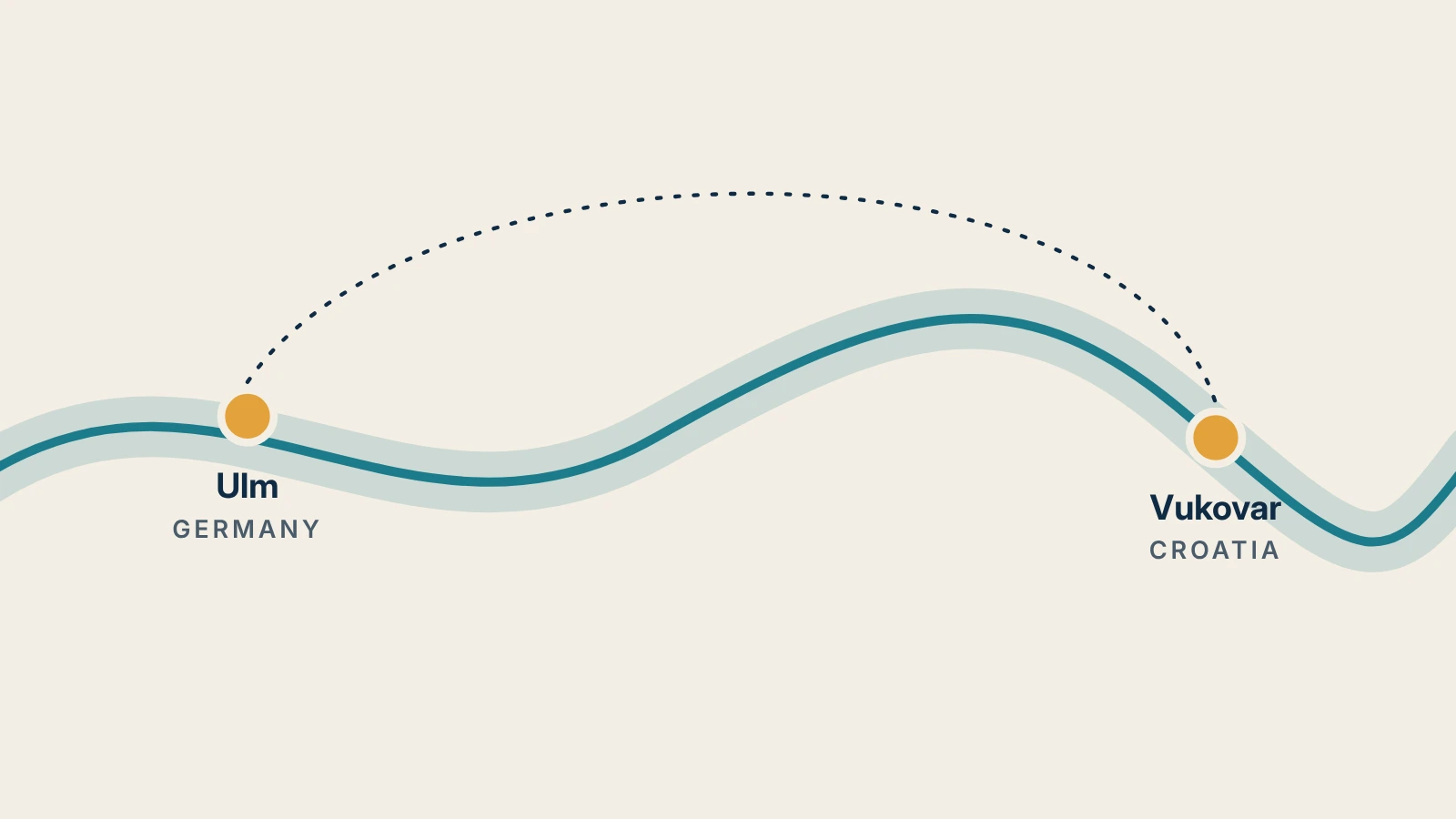
In Germany, established educational and cultural institutions offer opportunities for intercultural exchange. Initiatives such as Donaufest in Ulm and Neu-Ulm bring together communities connected by the Danube through shared cultural experiences.
In Czechia, initiatives including One World in Schools demonstrate the value of documentary films, media literacy and critical thinking for addressing misinformation, prejudice and social division.
Meanwhile, in Croatia, the Centre for Peace Studies illustrates how long-term non-formal education can connect human rights, non-violent communication, historical memory and social inclusion.
Although these initiatives operate in different circumstances and serve different audiences, they offer valuable starting points for educators across Europe.
From research findings to the classroom
One of the central messages of the DANUBE PEACE mapping is that educators do not always need to develop entirely new approaches. Existing cultural initiatives, educational materials and community programmes can offer inspiration for learning activities adapted to local needs.
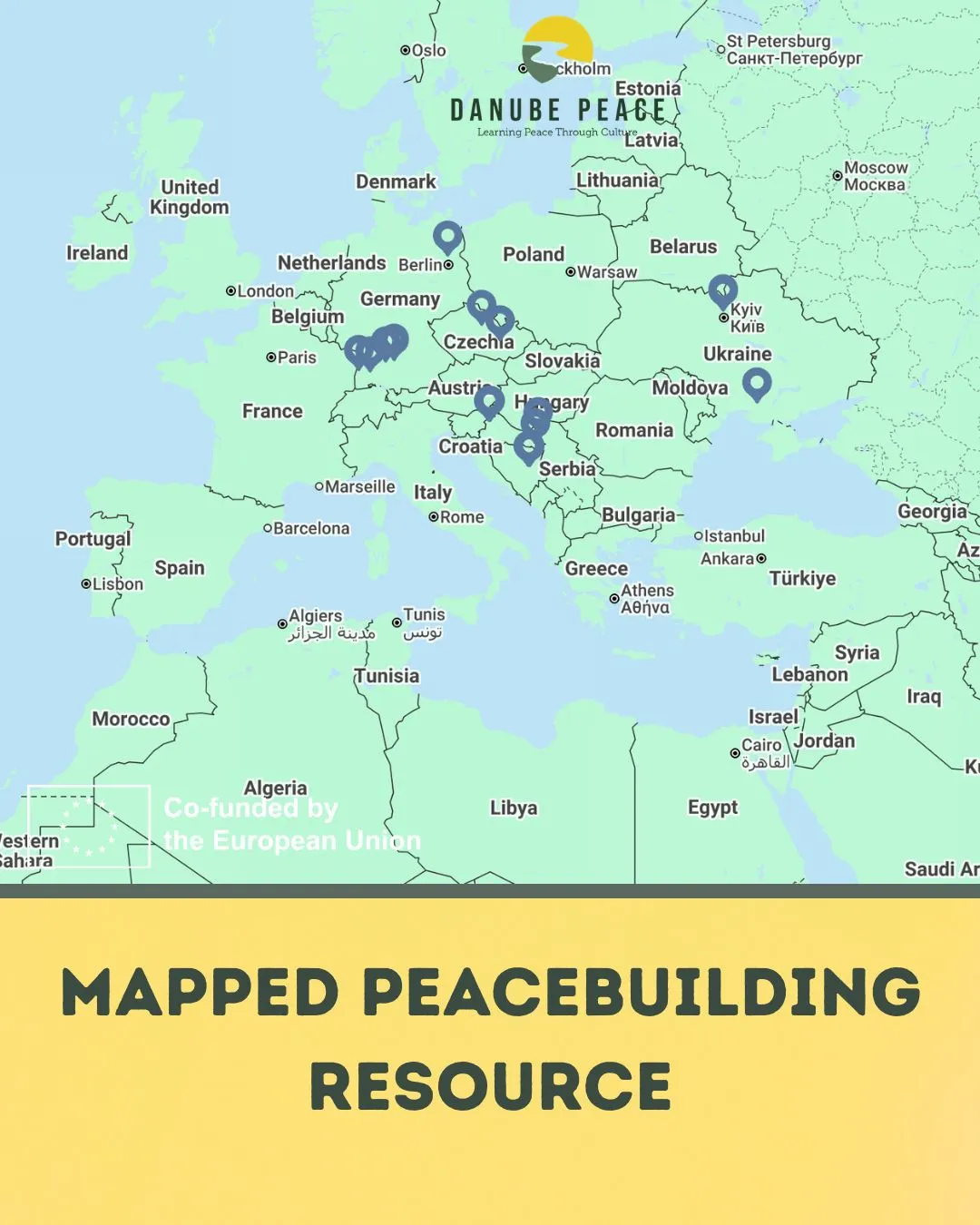
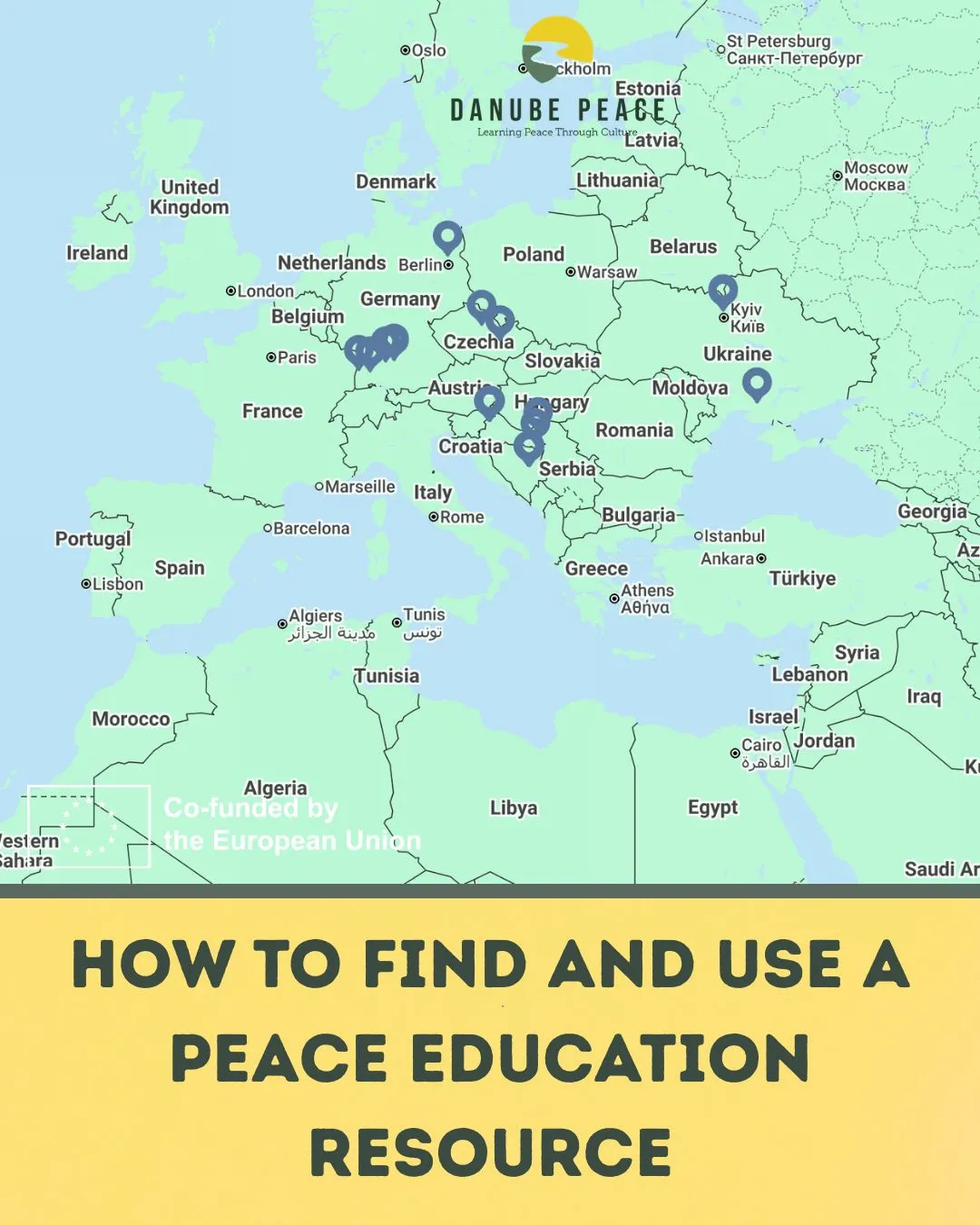
The project’s Interactive Peacebuilding Opportunities Map brings together resources from the participating countries, helping educators discover relevant examples and explore possible applications.
Three practical steps can support this process.
First, educators should identify the needs of their learners and establish a clear learning objective, whether addressing stereotypes, encouraging dialogue or strengthening intercultural understanding.
Second, they can explore the map, select a relevant resource and adapt its methods to the participants’ ages, backgrounds, languages and accessibility requirements. Original sources should always be checked before reuse.
Finally, educators should create opportunities for participation and reflection. Facilitated discussions, storytelling and collaborative activities can help learners examine different perspectives while practising respectful communication.
A useful closing question might be: What have we learned about another perspective, and how could that change the way we interact with others?
Building bridges through education
The WP2 findings underline that peace education is not confined to classrooms or specialised programmes. It can take place in museums, libraries, community centres, cultural initiatives and everyday adult learning environments.
The challenge is to connect these opportunities, equip educators with practical tools and create learning experiences that continue beyond individual events.
The DANUBE PEACE project seeks to support this process by making existing knowledge and resources more accessible across borders.
Explore the Interactive Peacebuilding Opportunities Map and discover a resource for your next educational or community activity:
https://danube-peace.eu/en/interactive-peacebuilding-opportunities-map/
Read the Comprehensive Mapping Report for the full findings and recommendations:
https://danube-peace.eu/en/comprehensive-mapping-report/
Source: DANUBE PEACE Comprehensive Mapping Report (2026), pp. 6–7 (Executive Summary), pp. 81–93 (Resource Mapping Results) and p. 111 (Recommendations for Educators and Cultural Actors).
Prepared by: Pannonia Consulting d.o.o. | DANUBE PEACE – Learning Peace Through Culture | Erasmus+ Programme

We use cookies to improve your experience on our site. By using our site, you consent to cookies.
Manage your cookie preferences below:
Essential cookies enable basic functions and are necessary for the proper function of the website.
These cookies are needed for adding comments on this website.